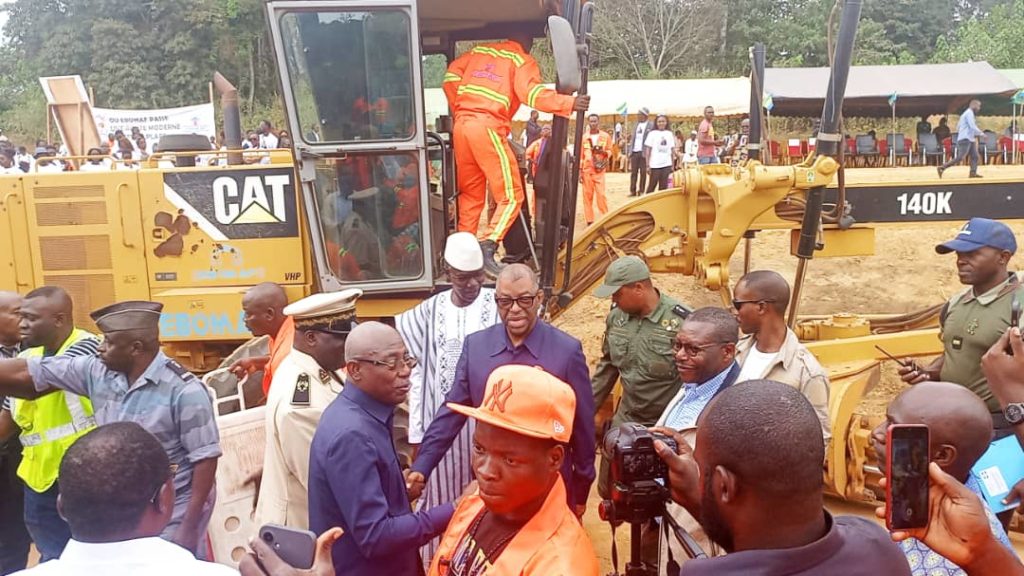
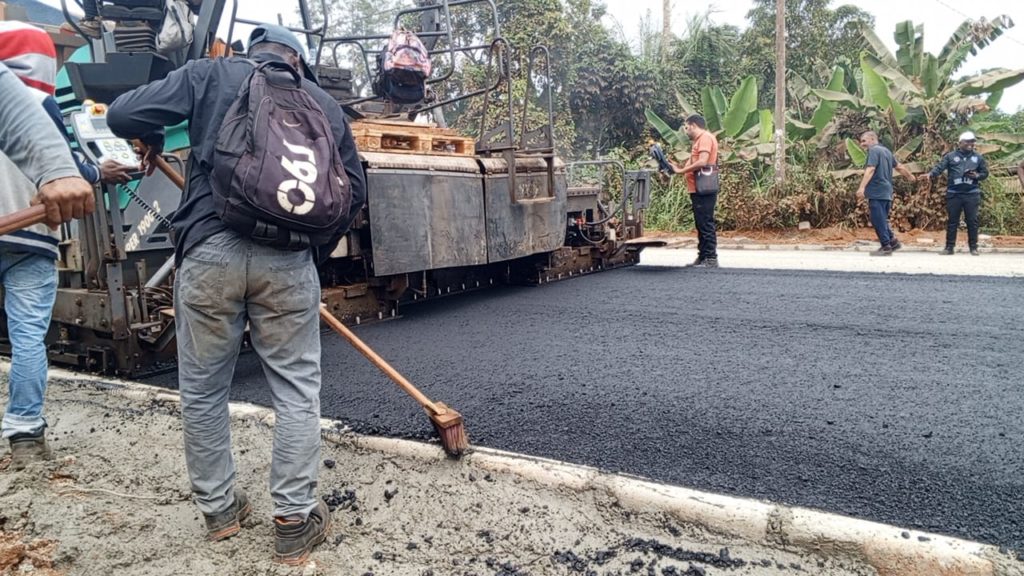
EBOMAF-BENIN: Come-Lokossa-Dogbo reaches cruising speed
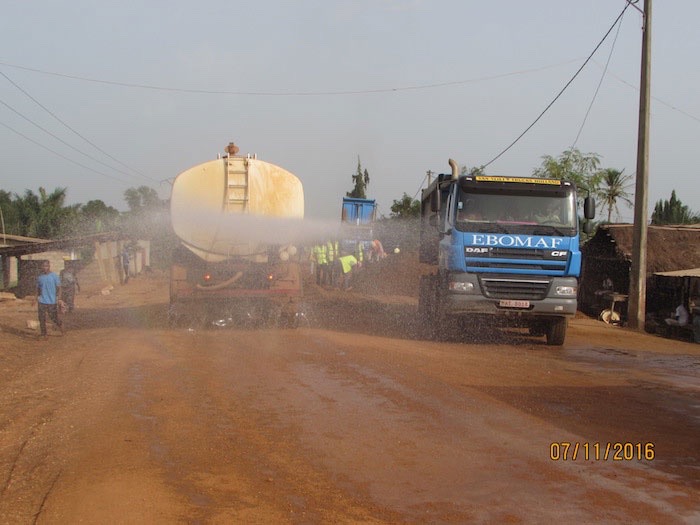
The implementation of the Comè-Lokossa-Dogbo (COLODO) is currently in full swing. The tasks of earthmoving, coating, hydraulic structures and sanitation are carried out at a very increasing rate. Night and day, the teams drive this work diligently according to the rules of art.
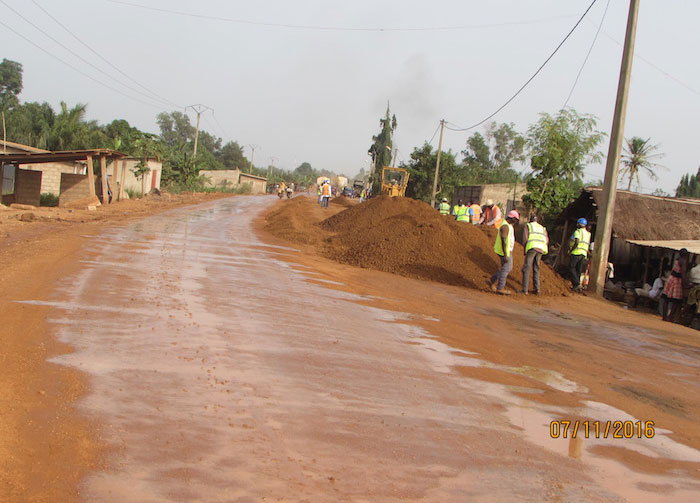
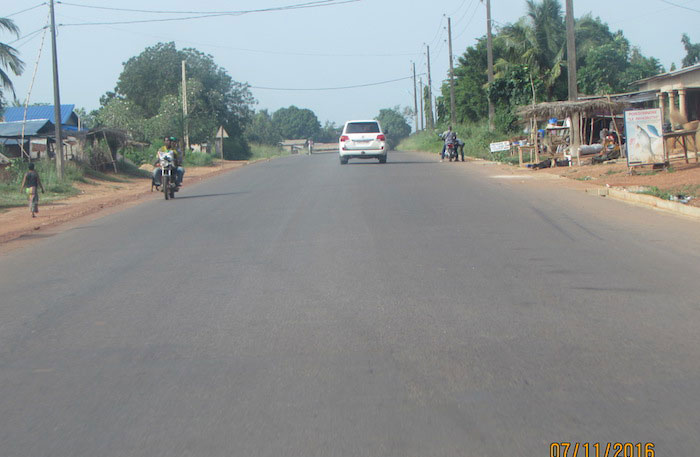
In Come and Dogbo, the two ends of the section to be rehabilitated, EBOMAF threw its whole thing into the works. The 70 km are dotted with panels: Road modernization activities are continuing to the great satisfaction of the river users and communities who hope to end their ordeal in a few months.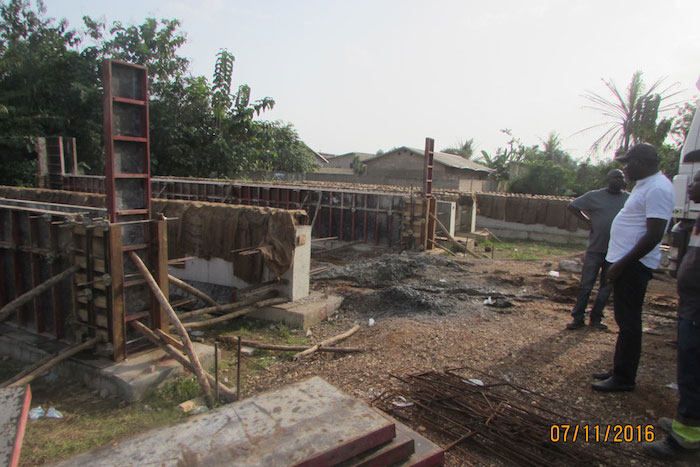 In terms of promotion, the overall rate is estimated at 40% on November 7, 2016.We record 20 km of fully paved track over 70 km. The earthworks reach 60 km. Sables are 5 km by 15 km planned, indicates, Oumar Bonkoungou, coordinator of the work. The piles of the large bridge are ortied with earth and beams are already ready.
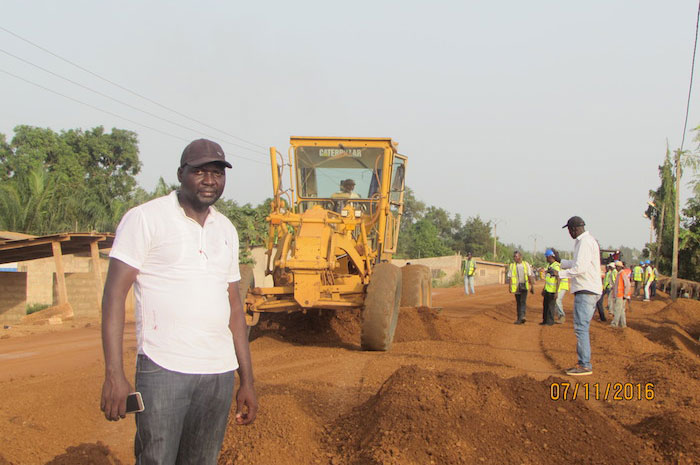
The Come-Lokossa-Dogbo yard is back on a very good start after the major difficulty associated with quarrying has been overcome. Especially since the breakage of granite considerably slowed down the links of the structure.With the full-time recovery of the career, the different parts of the work progress well given the majority of the job is concentrated on coating. 10 km covered easily represent 10 to 15% of total production rate. When the whole party that has benefited from earthmoving is going to be coated, the advancement will close to 60%, adds Oumar Bonkoungou.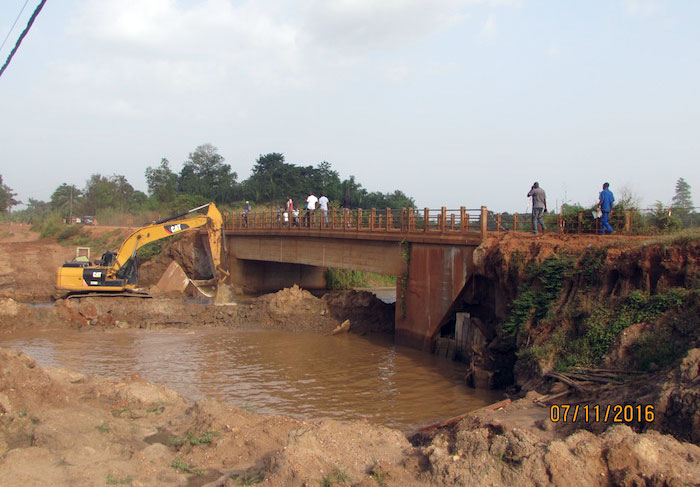
Various human resources broken up in civil engineering occupations rely on last-minute logistics to modernize COLODO in standards and timing. Between two hundred and three hundred people set in motion some sixty trucks, about fifty machines, a coated power plant and a concrete plant to equip Benin with one of its most beautiful road infrastructures.
JE/AB
Commentaires (0)
Laisser un commentaire
Vous devez être connecté pour commenter
Articles récents
A Field Mission of the Governor of the Estuary on Compensation for Affected Populations
Lire l'article →